
The process of scheduling a pest control appointment may seem like an adventure into the unknown because who knows whether they are going to spray everything in sight, how much time the whole procedure is going to take, and even whether you have to evacuate your home during the process. Read on to discover more!

Before the Visit: How to Prepare
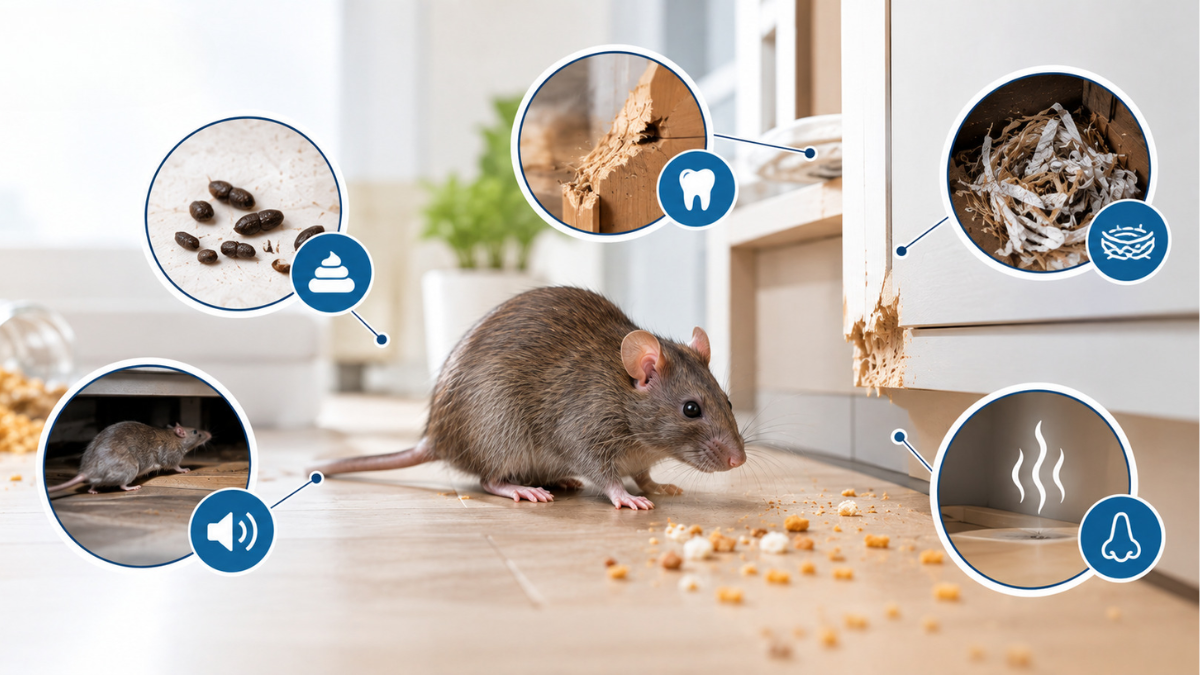
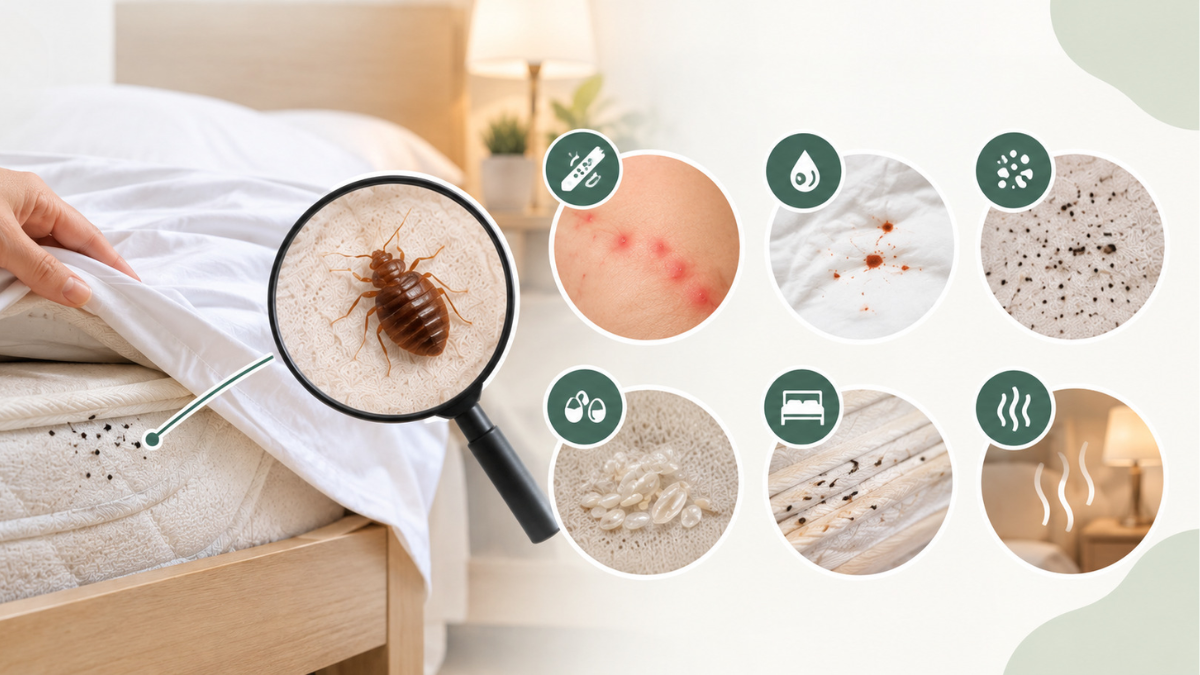
Typically, most companies dealing with pest eradication will inquire about a number of important things, including the type of pest and the areas where they are usually found. It is advisable to do some preparation beforehand through conducting your own research. For example, signs of a termite infestation like wing castings and also the hollow sounds produced when you knock on wood.
While conducting the inspection, make sure there is no food left on the countertop or any other surface.
During the Inspection: What the Technician Actually Does
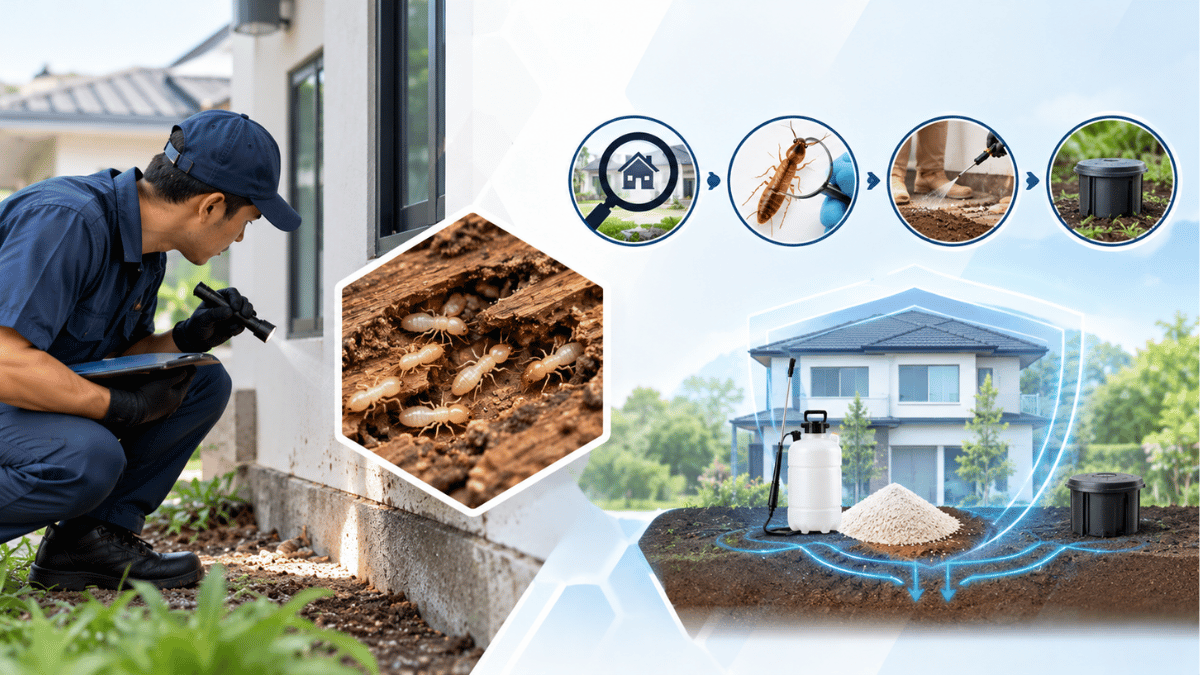
An experienced technician will never begin with the spray and the bottle but will first perform an ID verification check, followed by a thorough walk-through, which covers the usual trouble points of kitchen, bathroom, skirting board, attic, and anywhere else you may have pointed out. If the pests in question are termites, then it will also involve tapping the wooden surface to listen for hollowness, along with searching for walls and foundations showing signs of mud tubes. In essence, it involves pest identification in order to know what we are dealing with and how widespread the problem is.
The Treatment Itself
Once the inspection is done, the technician will walk you through the treatment options available and the pros and cons of each:
Baiting Systems
Slow-acting poison is put into the baiting stations close to the area where the pests can be seen. The pest eats the substance and takes it back to its colony, thus infecting other pests, including the queen, slowly. It is a widespread method used with termites and ants because the poison affects the origin of pests, not just the workers.
Targeted Spraying
The registered chemical is used on areas that are cracked, creviced, and access points and not used as a spray on the entire area. It works effectively for infestations that occur on the surface and contained, such as cockroaches and ants.
Soil Treatment
A chemical barrier is placed around and underneath the foundation to prevent underground termites from getting inside via the soil. It is generally combined with the use of bait for prevention and not used alone.
In any case, you will be instructed as to where you should not go after treatment and for how long, because certain products require drying or settling down before they can be walked on.
After the Visit: Reports and Follow-Up
This should not be all at the point where the technician finishes their work. This is because one should receive a service report that will detail whatever the technician discovered and the recommended future course of action. It will be important to keep the report for records purposes, especially when dealing with termite control, which requires multiple visits. Quarterly visits will be sufficient for most cases.
For Industrial and Large-Scale Properties
The process looks a little different for factories, warehouses, and large-scale facilities, where a single infestation can affect entire production lines or contaminate stored goods. Visits here typically involve site-wide monitoring, stricter documentation for audits, and treatment plans built around zones—raw material storage, production areas, and packing sections are all assessed separately. If you're managing a facility like this, our industrial pest services are built specifically around that scale of monitoring and compliance.

How Asteric Can Help
Every treatment is preceded by a proper diagnosis, not a mere assumption. We make a diagnosis of the root cause before offering you any advice and walk you through everything in detail from preparation to after the treatment. Whether it's a home, a business, or a large-scale facility, you can find the right service to start with over at Asteric Pest Control.