The restaurant kitchen has everything that the pests are looking for, including food, water, heat sources, and many doors that give way to easy access into the kitchen. Knowledge of the various pests that can affect the restaurant business and the differences among them will be very helpful in preventing any problems early on.
What Are the Most Common Food Pests in Restaurants?
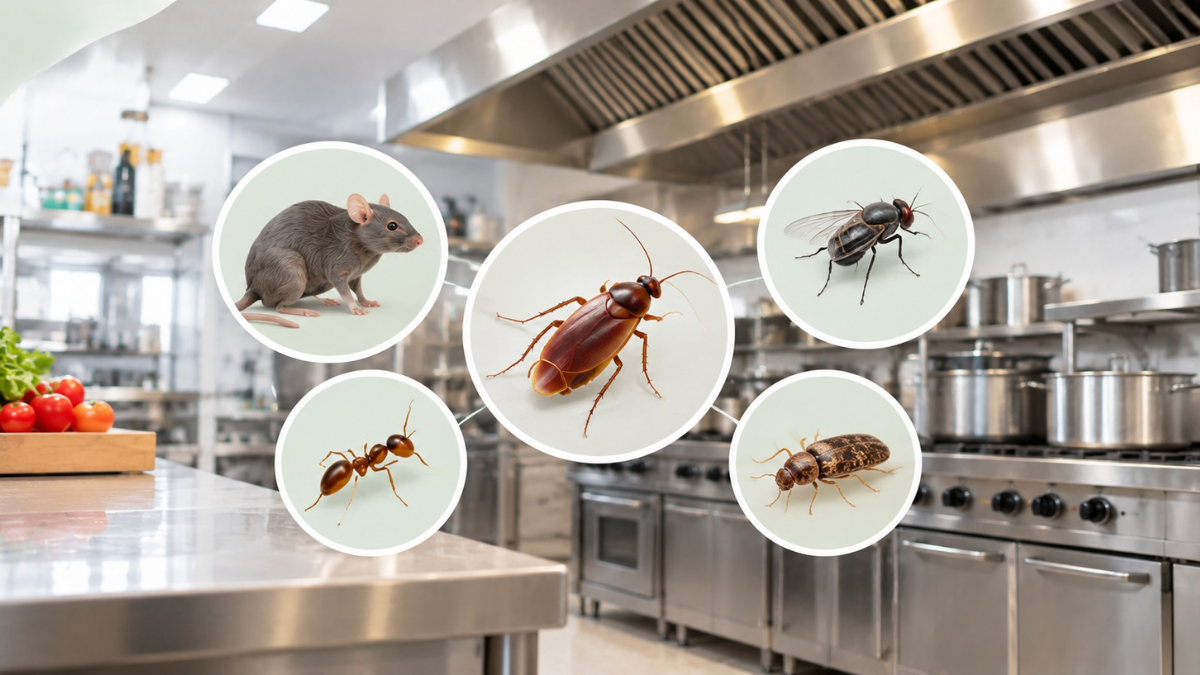
Restaurant environments tend to attract a fairly consistent set of pests, though each poses a different type of risk.
Cockroaches
Cockroaches have been viewed as the most dreaded type of pest that infests restaurants as they have been known to thrive in dampness and darkness such as basements and drainage systems. It has been noted that the German cockroach carries more than 30 kinds of germs, worms, and parasites, making them more contamination sources than pests. They can infest restaurants by means of foods, food transporters, plumbing, and exhaust vents.
Rodents
Rodents such as the rats and mice make the list of common pests in the restaurants, and these include the Norway rat, the roof rat, and the house mouse. These pests are usually active at dawn and dusk times because they nest close to their source of food and gnaw through anything on the way to the food.
Ants
The main cause of ant infestation in restaurants is their ability to access places through even the smallest cracks. There are different types of these pests which include the odorous house ants, pavement ants, and Pharaoh ants which are attracted to sugary and greasy food.
Flies
Filth flies are typically drawn in from outside by garbage bins and food waste, and frequently opened doors only make entry easier. A strong odor resembling decaying vegetables or meat, paired with regular sightings near trash receptacles, is usually a sign flies have already established a presence.
Stored Product Pests
The weevil, beetle, and moth infest dry foods such as cereals, grain, and flour. Evidence of their presence includes strange holes on the packaging and sightings in the containers where foods are stored. Storage area temperature and humidity control can deter the breeding of these insects.
Why Restaurants Are Especially Vulnerable
Indeed, the atmosphere in a restaurant meets almost all requirements for the pest. It provides constant availability of food, water vapor, regular opening of doors, as well as constant deliveries which provide access to the building for pests. Moreover, the older restaurants are also at higher risks because of more gaps in the building.
Restaurant Pest Control and Legal Compliance
Beyond the obvious hygiene concern, restaurant pest control ties directly into legal obligations under Malaysia's Food Hygiene Regulations, which require food premises to remain free from pests at every stage of preparation and storage. A previous breakdown on what the law requires covers this in full detail, including the documentation auditors expect to see and the penalties tied to non compliance.
Where Pests Typically Hide in a Restaurant

Identifying hotspots will help to determine the location of the source of the problem. Food storage locations are consistently among the favorite locations due to sheer quantity of the food that is available there, particularly if they are old storage locations with dark corners. Appliances and beneath tables may accumulate food and other waste that is consumed by pests. Light fixtures and light guards may be a place where flies land and die, which should be checked during regular cleaning.
Prevention Starts With Sanitation and Sealing
Sanitation will be the first means to deal with the majority of the pests found here. Putting food in containers, getting rid of any spoiled or contaminated stock, and having a regular cleaning schedule gets rid of the sources that pests require. Closing up all access points where pipes and walls meet is another way to ensure that pests do not get into your home in the first place.
Why Professional Pest Control Matters for Restaurants
Considering how fast pests can take hold of an environment like the one in a food service business, along with the potential implications of passing health inspections, restaurant pest control is best handled by professionals, not DIY measures. When it comes to rodent issues, professional trapping and exclusion are especially helpful, since rodent and rat control requires locating entry points that aren't always obvious during a routine walkthrough. Cockroaches call for a similarly targeted approach, and cockroach control methods that reach the nest directly tend to outperform surface level treatments in a busy kitchen environment.
How Asteric Can Help
The awareness of the common pests found in restaurants can only be effective when supplemented by a treatment method designed according to their behavior pattern, because a single strategy hardly suits the needs of cockroaches, rodents, and stored product pests. The pest management plan is tailor-made according to your own needs, so that pest management can be part of your regular activities.
.png)